

What is Dry Needling?
Introduction
If you’re middle-aged, active and dealing with persistent aches or muscle tension—especially as you keep up with exercise, weekend sports or simply staying mobile— then you’ve probably heard of (or wondered about) the term “dry needling.” It’s one of the tools offered by physical therapists to help reduce pain, restore movement and get you back to the activities you love. In this blog post we’ll explain what dry needling is, what its benefits are, how it’s used in physical therapy, and how you, as someone who wants to stay active, might decide whether it’s a good option for you. And of course, we’ll tie it into how our mobile physical therapy practice serving the metropolitan DC area can help you access this care conveniently in your home or gym.
What is Dry Needling?
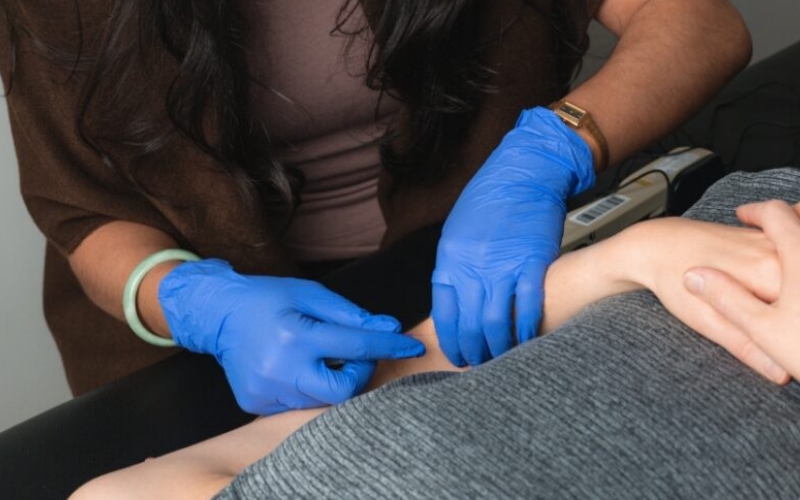
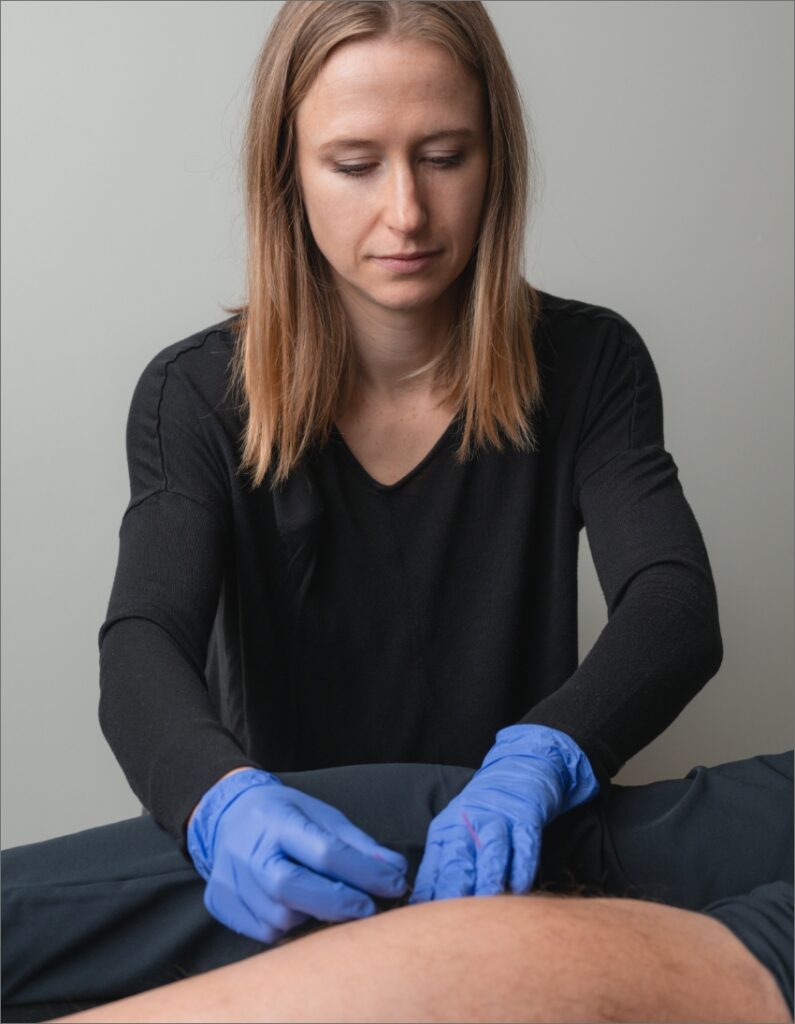
Dry needling is a therapeutic intervention used by physical therapists (and some other practitioners) that involves inserting very thin, solid “filiform” needles into specific muscles or connective tissue areas—most often targeting what are known as myofascial trigger points. These are small, tight, hyper-irritable bands of muscle that can cause local pain or refer pain to other areas.
When a physical therapist inserts the needle into the trigger point, the goal is to stimulate a so-called “local twitch response” (a quick involuntary muscle twitch) which can help the muscle release and reset, increasing blood flow, decreasing tightness and interrupting pain signals.
The term “dry” simply means that no medication or fluid is injected—the needle itself is the tool. This differentiates it from injection therapies like corticosteroid injections or trigger point injections with anesthetic.
How Does It Work? (The Mechanism)
Here’s a simplified breakdown of how dry needling helps:
- A muscle under stress—through overuse, poor posture, repetitive motion or injury—can develop a trigger point: a knot of contracted muscle fibers that don’t relax normally.
- These trigger points restrict blood flow, reduce oxygen/nutrient supply, cause irritation of nearby nerves and lead to pain, stiffness and reduced function.
- When the needle is inserted into the trigger point, it can cause a local twitch response, improve circulation to that area, reduce the chemical irritants (like acidity) and calm down the overactive nerve signals.
- Following the needling, the muscle is in a more receptive state for stretching, strengthening and mobilizing—so it’s often integrated into a broader physical therapy program rather than used alone.
What Are the Benefits?
For someone in your position—active, middle-aged, wanting to reduce pain and keep moving—here are some of the key benefits of dry needling:
- Pain relief – Many patients report a noticeable reduction in muscle pain, tenderness or referred pain following dry needling. For example, one systematic review found that dry needling causes pain reduction across musculoskeletal regions at short-term evaluation. PMC+1
- Increased mobility & improved muscle function – By releasing tight bands of muscle and restoring more normal blood flow, range of motion can improve and movement becomes easier.
- Faster recovery when paired with physical therapy – When combined with exercise, manual therapy, stretching and biomechanical correction, dry needling can accelerate the return to function.
- Drug-free, minimally invasive option – Because no medication is injected and the needles are very thin, many patients appreciate this as an alternative to heavier treatments or more invasive options.
- Versatile for many conditions – Dry needling is used for a wide variety of musculoskeletal and trigger-point related conditions: neck pain, back pain, shoulder issues, hip tightness, tendon or fascial issues.
What Conditions and Uses Are Typical?
In a mobile physical therapy practice like ours (serving DC, Northern Virginia & Maryland), we often consider dry needling for active adults dealing with any of the following:
- Persistent back or low-back pain with muscle tightness
- Hip or glute tightness limiting your workout or weekend sport
- Shoulder or rotator cuff discomfort that isn’t resolving
- Chronic muscle soreness or stiffness that interferes with stretching or mobility sessions
- Tendinopathy or overuse issues (e.g., IT band, Achilles tendinopathy, tennis/golfer’s elbow) where muscle tightness and trigger-points amplify pain
- Pre-workout or post-workout muscle “knots” that reduce your ability to exercise freely
According to one provider’s list, conditions treated include joint pain, back and neck pain, headaches, tendonitis, bursitis and more.
What to Expect During a Session
If you decide to include dry needling in your physical therapy plan, here’s what you might expect:
- At your initial evaluation, your PT will assess your movement patterns, posture, muscle tightness and trigger-point sites.
- If dry needling is appropriate (based on your comfort level and physical exam), the therapist will explain what it is, the benefits, risks, likely areas of the body, and obtain your informed consent.
- You’ll be positioned comfortably. The therapist will clean the skin, use a sterile needle and insert it into the muscle/trigger-point. You may feel a quick “pin-prick” or a twitch (which can be a good sign). After insertion the needle may stay a few seconds to a few minutes depending on the target.
- After the needling, you may feel a bit achy (like you did a new workout) for 24-48 hours – that’s normal.
- Following the session, your PT will likely incorporate mobilization, stretching, strengthening or functional movement — making the most of the muscle’s improved state after the needling.
- Treatment frequency varies—some people benefit from one session, others need several, and it’s most effective when integrated into a full PT program.
Who Should (and Who Shouldn’t) Consider Dry Needling?
Good candidates:
- Someone with muscle-related pain or stiffness that’s not fully resolving with standard exercises alone
- Active individuals who want to move more freely and reduce barriers to their workouts or weekly activity
- Patients willing to try a modality that is minimally invasive and often integrated into PT
Cautions / Contraindications:
- If you have a fear of needles or are extremely sensitive to invasive procedures
- If you have certain medical conditions such as bleeding disorders, infection, compromised immune system, or during the first trimester of pregnancy. PMC
- Always ensure your physical therapist is trained and certified in dry needling and that they use sterile techniques.
What Does the Research Say?
While dry needling has grown in popularity and many patients report positive outcomes, the research is still evolving. Here’s a summary of what the evidence shows:
- A 2022 published meta-analysis found that dry needling is superior to no intervention or sham treatment for reducing pain intensity across body regions in the short term. PMC
- However, when compared to other therapeutic interventions (like other needling techniques, manual therapy or exercise alone), results are mixed and evidence quality is low to moderate. PMC+1
- Long-term outcomes (beyond 3-6 months) are less well established and research protocols vary widely. PMC+1
- Overall the consensus is: dry needling can be a valuable adjunct within a physical therapy plan, especially for short-term relief and when used in combination with exercise and movement therapy.
Why Choose It (Especially When You Want to Stay Active)
If your goal is to stay fit, move freely and continue doing (or even increase) your favorite activities despite pain or stiffness, dry needling offers these advantages when used as part of your physical therapy program:
- Allows you to break through stubborn muscle tension or “knots” that limit movement or make your workouts feel compromised
- Can help you get more out of your exercise or rehab sessions by improving muscle responsiveness and reducing inhibition
- Lets you recover faster from the workouts you do—and reduce downtime due to soreness or imbalance
- Supports better quality of life: less painful movement means less frustration, better training consistency and more satisfaction in your active lifestyle
And because our practice is mobile physical therapy, we bring this type of advanced care directly to your home, gym or preferred location in the DC metropolitan area—eliminating travel time, clinic wait rooms and maximizing your convenience.
Integrating Dry Needling into Your Rehab Plan
Here’s how we typically integrate dry needling with your overall physical therapy plan:
- Assessment & Movement Analysis – We evaluate your posture, muscle length/tension, trigger-point sites and how your movement patterns may be contributing to your pain.
- Dry Needling Sessions – We apply dry needling to target specific muscle trigger points interfering with your mobility or comfort, then immediately follow with movement.
- Stretching & Mobilization – Post-needling is a prime time to stretch and mobilize the muscle with less resistance from the trigger point.
- Strengthening & Functional Movement – Once muscles are more responsive, we guide you through strengthening, stability and movement drills that restore performance and prevent recurrence.
- Active-Lifestyle Integration – Whether you go for walks, gym workouts, weekend sports, or daily movement, we tailor your plan to your level and goals—so you’re not just “pain-free,” you’re “performance ready.”
- Follow-up & Monitoring – We track how you respond to each session. If dry needling doesn’t achieve sufficient relief, we adjust the plan (with alternative modalities or referrals) accordingly.
What Should You Ask or Consider Beforehand?
When you’re considering dry needling, here are some questions and considerations to discuss with your therapist:
- Are you certified in dry needling? How many sessions do you typically perform per patient?
- What will the session feel like and what’s the expected discomfort or soreness afterward?
- How many needles will be used? Which muscles/areas will be targeted?
- How will dry needling fit into my larger treatment plan (stretching, strengthening, movement) rather than just being a standalone treatment?
- What are the risks (e.g., soreness, minor bruising) and how likely are they in my case?
Choosing the Right Mobile Physical Therapy Provider in the DC Area
Because you’re active and value convenience, choosing a therapist who brings care to you can make a big difference in consistency and results. Here’s what to look for:
- Licensed physical therapist with advanced training in dry needling and musculoskeletal rehab
- Experienced in treating the active adult population (especially those with exercise goals)
- Offers in-home or on-site mobile services (DC, Northern Virginia, Maryland) so you can receive treatment in your preferred location
- Provides a comprehensive plan: assessment, dry needling, therapy, home exercise program and reinforcement
- Has good communication, explains what you’re doing and why, and tracks outcomes
Real-Life Example (Illustrative)
Imagine Sarah, age 48, a recreational runner and weekend tennis player, who developed tight glute and hip muscle knots that were making her hip feel stiff, slowing her pace, and causing low-back discomfort. After two sessions of dry needling targeting her gluteus medius and piriformis trigger points, followed by mobility and strengthening drills, she reported improved hip range, reduced back flare-ups and was back to her twice-weekly runs within a month. This is just one example of how dry needling plus PT can get you back in motion faster.
Conclusion
If you’re someone who wants to stay active—whether jogging, playing weekend sports, lifting weights or simply enjoying a hike—muscle tension, trigger points or movement pain don’t have to hold you back. Dry needling can be a powerful tool in your recovery and performance toolbox—especially when it’s part of a broader physical therapy plan.
Because our mobile physical therapy practice in the DC metropolitan area offers this care where you are (home, gym or preferred location) you can stay on track, keep progress going and eliminate barriers to consistency.
If you’re dealing with persistent muscle knots, stiffness that limits your movement, or exercise-pain that makes your workouts less fun or less frequent—reach out to us. Together we can assess your situation, decide if dry needling is appropriate, integrate it into your personalized plan, and get you feeling better and moving with confidence again.
Ready to get moving again—on your terms?
Contact our mobile physical therapy team today to schedule your evaluation and discuss whether dry needling is right for your recovery and active lifestyle.