

Why Your Pain Keeps Coming Back: The Hidden Mobility, Strength, and Lifestyle Factors Most Physical Therapy Clinics Miss
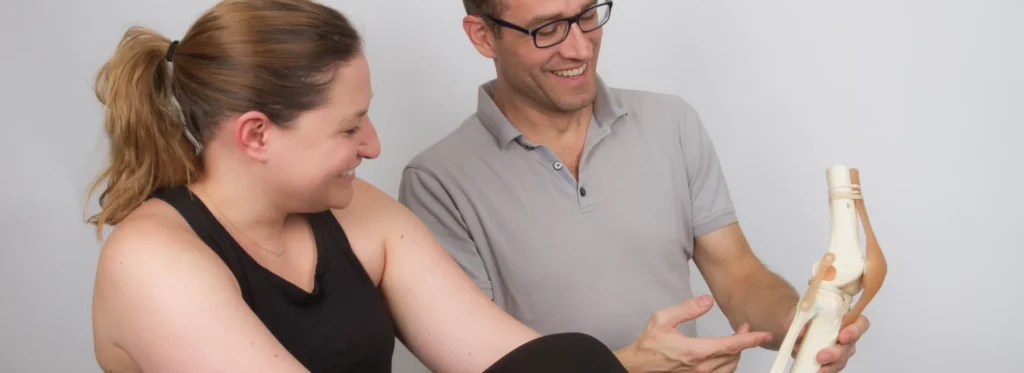
If you are dealing with pain that keeps returning no matter how many stretches, exercises, or appointments you try, you are not alone. Many people in the Washington DC, Northern Virginia, and Maryland area come to physical therapy frustrated because their symptoms seem to disappear for a few days or weeks and then suddenly flare back up. This cycle can make you feel like something is wrong with your body or like the problem will never improve.
The good news is that recurring pain almost always has an explanation. Pain rarely persists without a reason. But the underlying cause is often more complex than a single tight muscle or a single weak area. Most people with recurring pain are dealing with a combination of mobility restrictions, strength imbalances, stress, daily movement patterns, and environmental factors that have simply never been fully evaluated.
This is one of the biggest differences between traditional clinic based physical therapy and mobile, one on one care. When a clinician has the time and the context to understand how you move and what your environment demands of your body, it becomes possible to identify the true root of the problem, not just treat symptoms.
Below are the most common hidden reasons that pain comes back, why they are often missed in standard care, and what you can do to finally break the cycle.
Reason 1: The root cause was never identified
Most people receive treatment only for the part of the body that hurts. If your knee hurts, the knee gets treated. If your shoulder hurts, the shoulder gets treated. But most persistent pain is not caused by the painful region itself. It is caused by something elsewhere in the body that is altering the way you move.
For example:
- Knee pain is often driven by hip weakness or ankle stiffness.
- Shoulder pain may be caused by thoracic mobility restrictions or core control limitations.
- Back pain may be coming from tight hips, weak glutes, or even something as simple as lifting patterns around the house.
When care is rushed or generic, the deeper movement issues never get identified. That means you may receive temporary relief from massage, stretching, or electrical stimulation, only for symptoms to return because the reason for the irritation was never corrected.
A comprehensive biomechanical assessment is the foundation for long term improvement. This includes watching your real-life movements, not just isolated exercises on a clinic table.
Reason 2: Daily habits and environment quietly reinforce the problem
People often assume pain is caused by a single injury or moment. In reality, most recurring pain is a product of repeated small stresses throughout the day.
Common examples include:
- Sitting for long hours with the pelvis tucked under the spine
- Carrying a baby on the same hip over and over
- Working on a laptop that is slightly off to the side
- Always stepping over a baby gate in the same direction
- A home office setup that subtly rotates the body
None of these things seem harmful in the moment. But over weeks and months, they create predictable patterns of stiffness, compensation, and muscle imbalances.
This is where mobile physical therapy offers a major advantage. By assessing movement inside your home or workplace, your therapist can see the exact demands placed on your body. Even small ergonomic adjustments can dramatically reduce the load on irritated tissues.
Reason 3: Strength programs are too easy or not specific enough
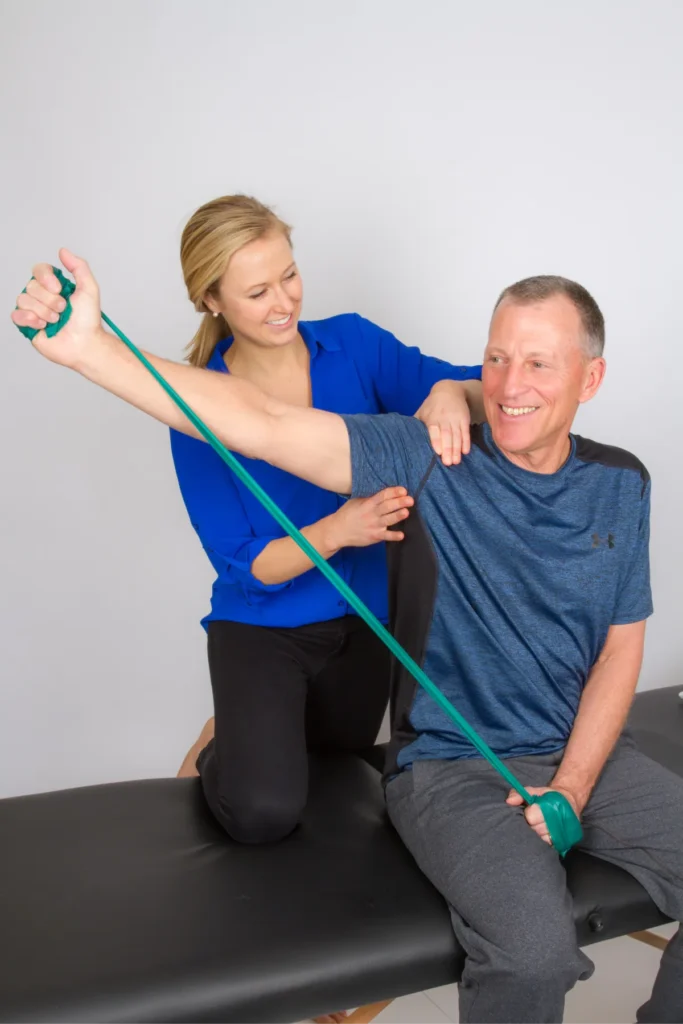
A very common story from patients with recurring pain is this: they were given a home exercise program, they completed it for a while, and they felt better. But as soon as they stopped doing the exercises, the pain returned. This leads many people to believe they need to spend the rest of their life doing the same three exercises every day.
In reality, the issue is that the strength program was never progressed to the point where the tissues truly adapted. Research consistently shows that long term pain relief comes from building real strength, not just performing light, repetitive rehabilitation exercises forever.
Many people are underloaded for months or even years. This is especially true for active adults who want to walk, run, lift, hike, practice yoga, or carry children. Light exercises may help early on, but they do not prepare the body for the demands of daily life or exercise.
A proper strength program should:
- Increase load gradually
- Challenge the muscles enough to stimulate adaptation
- Address the real deficits identified in the assessment
- Transition you back to your preferred activities
If your previous program felt too easy, generic, or repetitive, it may not have been using the right dosage to create lasting change.
Reason 4: Mobility restrictions go unaddressed
Just as strength deficits can cause recurring pain, mobility problems can too. Limitations in joint or soft tissue mobility often develop slowly and go unnoticed for years. Eventually, the body compensates in ways that place excess stress on another region.
Common mobility restrictions include:
- Stiff hips that force the lower back to move excessively
- Limited ankle mobility that alters knee mechanics during walking or squatting
- Tight upper back that forces the neck and shoulders to work harder
- Restricted rib cage movement that affects breathing and core control
Without addressing these limitations, strength training alone will not resolve the issue. Likewise, mobility work alone will not solve the problem if the surrounding muscles are not strong enough to support the newly available range of motion.
This is why the most effective plans combine mobility and strength in a structured, intentional way.
Reason 5: Stress, sleep, and recovery are affecting your pain sensitivity
Pain is never just a physical issue. The nervous system plays a major role in how the body interprets discomfort. High stress, low sleep, and inadequate recovery all increase the sensitivity of the nervous system. This means that normal movement can begin to feel painful and that small irritations can become big flare ups.
People who are juggling work, childcare, aging parents, and other life demands often experience recurrent pain for this reason. Even if the tissue itself is healing or healthy, the nervous system may remain in a heightened state.
Addressing these factors does not require meditation retreats or drastic lifestyle changes. Small, practical changes can make a big difference, such as:
- Improving sleep consistency
- Building regular movement breaks into the day
- Managing training volume to avoid overload
- Using breathing strategies to calm the nervous system
A good PT plan considers all of these layers, not just the muscle or joint that hurts.
Reason 6: You never learned how to move differently
When people experience pain for long periods, the body learns new movement patterns to avoid discomfort. These patterns often persist long after the original injury has healed. For example, someone with past back pain may brace excessively with every movement, or someone with old knee pain may shift weight to the other leg without realizing it.
These habits are deeply ingrained and cannot be fixed simply by strengthening or stretching. They require retraining the brain and body through:
- Awareness drills
- Motor control exercises
- Guided practice of real-world movements such as lifting, carrying, bending, and reaching
This is another area where mobile PT excels. Practicing the actual tasks that challenge you inside your home is far more effective than practicing a simulated version in a clinic.
Reason 7: You stopped treatment too early
Many people feel better after just a few sessions and decide to stop treatment. While early symptom relief is a good sign, it does not mean the underlying issue has been resolved. The tissues may still be deconditioned, the movement patterns may still be inefficient, and the daily habits that contributed to the issue may still be present.
Stopping treatment early often leads to a cycle of temporary relief followed by a predictable flare up weeks or months later.
A complete plan includes:
- Reducing pain
- Restoring mobility
- Building strength
- Reintegrating functional movement
- Preventing recurrence
Only working through the first stage will give you temporary results.
How mobile physical therapy breaks the cycle of recurring pain
Mobile, out-of-network physical therapy offers advantages that traditional clinic-based models cannot always provide. These include longer sessions, one on one attention, and the ability to assess the patient in their real environment rather than in a generic clinic setup.
Key benefits:
- More time for root cause assessment
- Detailed evaluation of home office setups, lifting patterns, childcare tasks, exercise equipment, and daily movement demands
- Highly individualized strength and mobility programs
- Hands on treatment combined with guided practice of real-world movements
- Better understanding of what triggers each flare up
- Long term strategies to prevent recurrence
This approach is especially effective for active adults, busy parents, professionals with long work hours, and people who have tried physical therapy before without lasting results.
What to do if your pain keeps coming back
Here are practical steps to begin breaking the cycle:
- Get a comprehensive assessment that examines the entire body, not just the painful area.
- Identify mobility restrictions and strength deficits that contribute to the issue.
- Evaluate your daily habits, home setup, and exercise patterns.
- Begin a progressive strength program that challenges your body enough to adapt.
- Incorporate mobility work targeted to your specific limitations.
- Address stress, sleep, and recovery factors when relevant.
- Relearn proper movement patterns and practice them during real daily tasks.
- Continue treatment past the point of early symptom relief to achieve long term stability.
Final thoughts
Recurring pain is frustrating, but it is not a life sentence. Once the root cause is identified and the body is retrained through a combination of mobility work, strength training, and improved movement patterns, pain becomes far more predictable and manageable. In many cases, it disappears completely.
If you live in the DC, Northern Virginia, or Maryland area and want a personalized, in-depth approach that finally gets to the bottom of your pain, mobile physical therapy can be an excellent fit. With the right plan and the right guidance, it is possible to break the cycle and return to the activities you love with confidence.