

Bounce Back Strong: How Physical Therapy Keeps Basketball Players in the Game
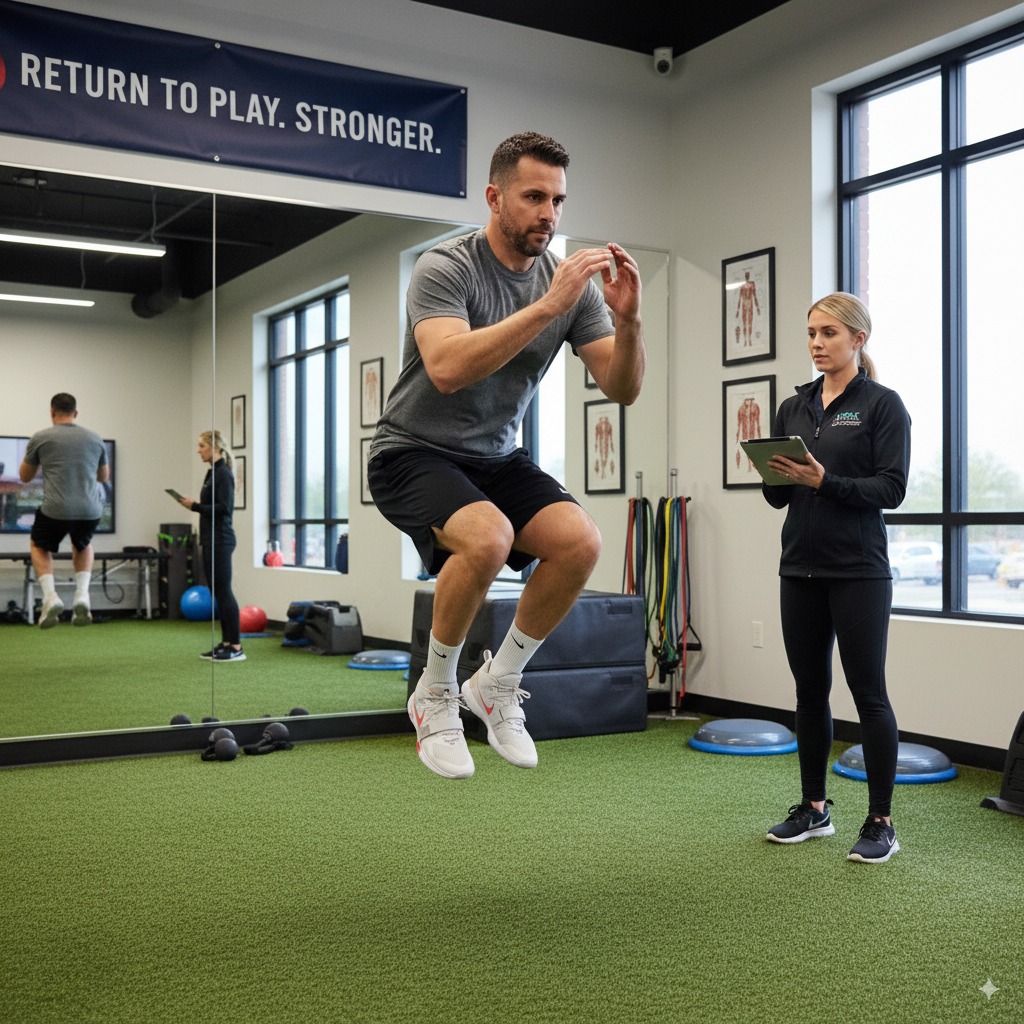
Basketball is one of the most popular recreational and competitive sports in the United States. From pick-up games at the local gym to community leagues and college play, basketball brings people together and keeps them active. However, with its fast pace, sharp pivots, and frequent jumping, basketball also comes with a high risk of injury. For young and middle-aged adults who love the game, understanding how physical therapy can help both prevent and rehabilitate injuries is essential.
In this article, we’ll dive into the role of physical therapy in basketball injury care, highlight common injuries, explain the benefits of sports rehabilitation, and review the warning signs that indicate it’s time to see a physical therapist.
Why Basketball Players Are at Higher Risk of Injury
Basketball demands quick changes in direction, explosive jumping, and repeated impact. This combination puts stress on the knees, hips, and ankles, making them the most vulnerable areas for injury. Even recreational players who only hit the court once or twice a week can develop overuse injuries, while sudden movements can trigger acute injuries such as sprains or tears.
Physical therapy plays a crucial role in both treating and preventing these injuries. With a customized plan that includes strength training, mobility work, and sport-specific drills, PT can help you stay active on the court without the setbacks of pain or long recovery periods.
Common Basketball Injuries
1. Knee Injuries
Knee problems are extremely common in basketball due to the frequent jumping, landing, and pivoting. Some of the most common issues include:
- Patellar tendinitis (Jumper’s Knee): Pain just below the kneecap, especially when jumping or climbing stairs.
- Meniscus tears: Caused by twisting movements, leading to swelling, stiffness, and locking of the knee.
- ACL tears: Often a result of sudden stops or changes in direction, ACL injuries may cause a “pop” sound followed by immediate swelling and instability.
2. Ankle Injuries
Basketball is notorious for ankle sprains, often from landing on another player’s foot or twisting awkwardly. Symptoms include swelling, bruising, and pain with walking or weight-bearing. Without proper rehab, ankle sprains can lead to chronic instability.
3. Hip Injuries
Basketball requires strong hip mobility and stability. Hip injuries may include:
- Hip flexor strains: Often from sprinting or sudden directional changes.
- Labral tears: Damage to the cartilage of the hip joint, which may cause catching, clicking, or groin pain.
- Bursitis: Inflammation from repetitive movement or overuse.
4. Overuse Injuries
In addition to acute injuries, basketball players are prone to gradual overuse conditions such as shin splints or stress fractures. These typically result from repetitive running, hard playing surfaces, or inadequate recovery.
The Role of Physical Therapy in Basketball Injury Recovery
Physical therapy is more than just rehabilitation after surgery—it’s a comprehensive approach to recovery and prevention. Here’s how PT supports basketball players:
- Pain Management: Techniques like manual therapy, soft tissue work, and modalities (ice, heat, electrical stimulation) can reduce pain and swelling.
- Restoring Mobility: Gentle stretching and joint mobilizations help restore range of motion.
- Strength Training: Focused exercises target weak muscles to provide better support for joints.
- Sport-Specific Drills: PTs design basketball-specific training to prepare players for jumping, sprinting, and cutting movements.
- Prevention: Education on proper warm-ups, footwear, and recovery strategies lowers the risk of future injuries.
Warning Signs: When to See a Physical Therapist
It’s not always easy to know whether pain is just muscle soreness or a more serious issue. Here are some red flags that mean it’s time to see a PT:
- Persistent pain: Discomfort lasting more than a few days, especially if it worsens with activity.
- Swelling or bruising: Indicates potential ligament or tendon damage.
- Instability: If your knee, hip, or ankle feels like it might “give out.”
- Limited motion: Difficulty bending, straightening, or rotating a joint.
- Recurring injuries: Repeated ankle sprains or ongoing knee pain suggest underlying weaknesses that PT can address.
Ignoring these warning signs can lead to long-term damage and make returning to basketball more difficult.
The Benefits of Mobile Physical Therapy
For basketball players in the metropolitan DC area, mobile physical therapy offers unique advantages. Instead of traveling to a clinic, our team comes directly to your home, gym, or even the court where you play. This allows for:
- Convenience: No commute or waiting rooms.
- Personalization: Therapy tailored to your actual environment and equipment.
- One-on-One Attention: A full hour focused on your needs and goals.
Takeaway
Basketball is a fantastic sport for fitness, fun, and community—but injuries are common. Whether it’s knee pain, hip pain, or ankle pain, physical therapy provides effective sports rehabilitation that not only helps you recover but also prevents future setbacks.
If you’re experiencing pain, swelling, or instability after playing, don’t wait—early intervention can make all the difference. Our mobile physical therapy team in the DC area is here to help you return to the game you love, safely and confidently.
Ready to get back on the court pain-free?
Contact us today to schedule your in-home or on-court physical therapy session.