

The Importance of Physical Therapy Postpartum: Healing, Strength, and Confidence After Birth
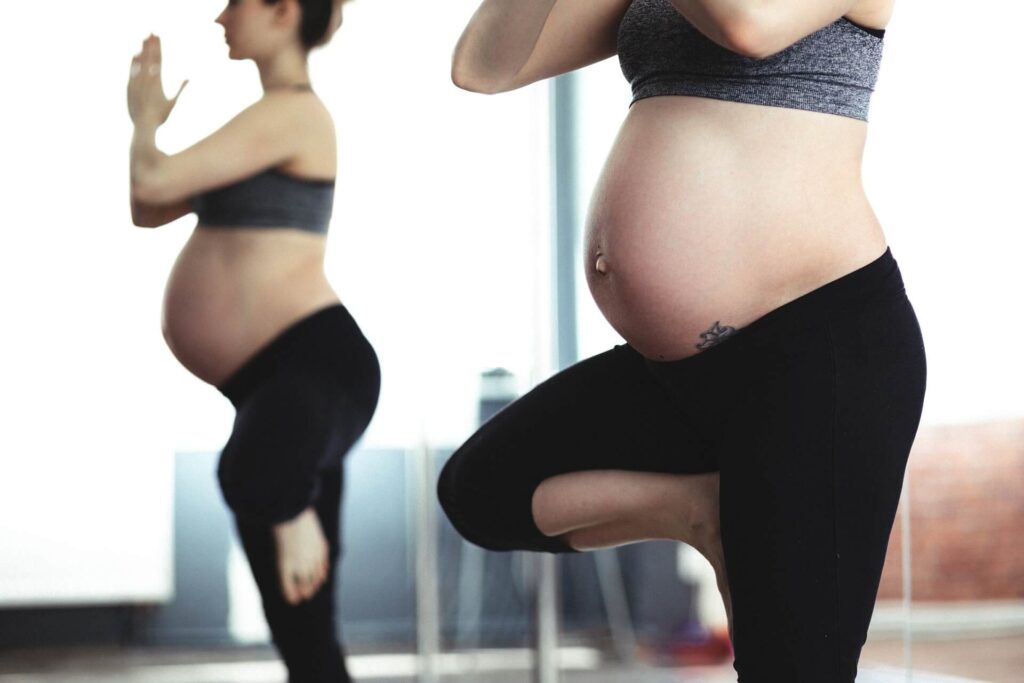
Bringing a new baby into the world is one of the most incredible experiences a woman can have. But while postpartum life is filled with sweet moments and new routines, it also comes with unique challenges for the body. Too often, women are told that the pain, weakness, or changes they experience after childbirth are just things they need to “live with.” The truth is: you don’t have to. Postpartum physical therapy can play a vital role in helping you heal, regain strength, and feel confident in your body again.
In this post, we’ll explore why postpartum physical therapy matters, the conditions it can help treat, and how it supports long-term health and wellness.
Why Postpartum Physical Therapy Matters
Pregnancy and childbirth put extraordinary demands on your body. Even if you had a smooth pregnancy and delivery, your muscles, ligaments, and joints go through significant changes. Healing takes time—and often, support.
Unfortunately, many women don’t get guidance about how to safely rebuild strength or manage symptoms like leaking, heaviness, or pain. Physical therapy fills that gap. A trained physical therapist can assess your posture, core, pelvic floor, and overall movement patterns to create a personalized plan for recovery.
Physical therapy isn’t just for athletes recovering from injury—it’s for every new mom who wants to:
- Heal properly after childbirth
- Restore core and pelvic floor strength
- Prevent long-term issues like prolapse or incontinence
- Return safely to exercise, sports, or daily activities
- Improve confidence and quality of life
Common Postpartum Conditions Physical Therapy Can Help
Every woman’s postpartum journey looks different. Some women experience mild symptoms, while others struggle with daily discomfort that impacts their ability to care for themselves and their baby. Below are some common postpartum conditions where physical therapy can make a big difference.
1.Pelvic Organ Prolapse
Pelvic organ prolapse happens when the bladder, uterus, or rectum drop into the vaginal canal because of weakened pelvic floor support. Many women describe a feeling of heaviness or pressure in the pelvis. While prolapse is common postpartum, it’s not something you need to just accept. Physical therapy helps strengthen the pelvic floor and core muscles to restore support and reduce symptoms.
2.Leaking and Incontinence
Do you leak urine when you cough, sneeze, laugh, or exercise? You’re not alone. Stress incontinence is one of the most common postpartum issues, and it often stems from weak or uncoordinated pelvic floor muscles. Physical therapists teach strategies and exercises to improve bladder control and reduce—or even eliminate—leaking. This is about more than convenience; it’s about reclaiming your comfort and confidence.
3.Diastasis Recti (Abdominal Separation)
Many women develop a gap in the abdominal wall during pregnancy, called diastasis recti. This can lead to a “pooch,” core weakness, or back pain. Physical therapy focuses on safe, effective exercises to close the gap, rebuild abdominal strength, and protect the spine.
4.Low Back, Hip, and Pelvic Pain
Carrying and delivering a baby changes your alignment and can strain the muscles and joints in your lower body. Whether you had a vaginal delivery or a C-section, lingering back, hip, or pelvic pain is common—but treatable. Physical therapy helps restore mobility, balance, and strength to relieve pain and support daily movement.
5.Scar Tissue Restrictions
C-section or perineal scars can sometimes cause tightness, pain, or restricted movement. Physical therapy includes gentle techniques for scar mobilization, improving circulation, and restoring normal tissue flexibility.
6.Return to Exercise or Sports
Many women are eager to get back to running, lifting, or fitness classes postpartum. But returning too soon—or without proper support—can worsen issues like prolapse or incontinence. Physical therapy provides a safe, structured path back to exercise, tailored to your goals.
What to Expect in a Postpartum Physical Therapy Session
If you’ve never been to physical therapy before, you may be wondering what to expect. At your first visit, your therapist will listen to your birth story, symptoms, and goals. They may assess:
- Posture and alignment
- Breathing mechanics
- Core muscle function
- Pelvic floor strength and coordination
- Hip and back mobility
- Scar tissue or abdominal separation
From there, you’ll receive a customized plan. This might include:
- Gentle core and pelvic floor exercises
- Breathing techniques for core activation
- Strengthening for hips, glutes, and back
- Posture and lifting strategies for daily life
- Education on bladder and bowel health
- Guidance for safely returning to exercise or sport
Your plan will evolve as your body heals and gets stronger. The goal is to not just address symptoms, but to help you move and feel better for the long term.
Breaking the Stigma: You Don’t Have to “Just Live With It”
Many women wait months—or even years—before seeking help for postpartum issues like prolapse, leaking, or incontinence. They may feel embarrassed to talk about it, or assume it’s just part of motherhood. But living with discomfort isn’t necessary. Just as athletes rehab injuries, moms deserve care and support after the physical demands of pregnancy and childbirth.
The Long-Term Benefits of Postpartum Physical Therapy
Investing in physical therapy postpartum isn’t just about short-term healing. It sets the stage for lifelong wellness.
- Prevention of chronic issues: Addressing pelvic floor weakness early can reduce the risk of long-term prolapse or incontinence.
- Improved fitness: A strong, functional core makes it easier (and safer) to return to exercise and enjoy an active lifestyle.
- Better posture and movement: Physical therapy helps you move efficiently and comfortably, whether you’re lifting your baby or training for a race.
- Confidence: Reducing leaking, pain, or heaviness helps you feel more at ease in your body.
Why Choose Mobile Physical Therapy in the DC Area?
Between sleepless nights, feeding schedules, and adjusting to life with a newborn, it can feel impossible to find time for appointments. That’s why mobile physical therapy is such a game-changer. We bring expert care directly to your home in the metropolitan DC area—including Northern Virginia and Maryland—so you can focus on healing without the stress of travel or childcare.
Our team specializes in orthopedic, sports medicine, women’s health, and vestibular care. Whether you’re a new mom navigating prolapse or leaking, or you’re eager to get back to running, we meet you where you are—literally and figuratively.
Taking the Next Step
If you’re experiencing symptoms like leaking, incontinence, or pelvic pressure, or if you just want guidance on safely returning to activity postpartum, physical therapy can help. You deserve to feel strong, supported, and confident in your body after birth.
Don’t wait months or years hoping things will get better on their own. With the right care, healing is possible.
Ready to feel like yourself again?
Our mobile physical therapy team serves postpartum women across DC, Northern Virginia, and Maryland. We bring compassionate, evidence-based care right to your doorstep. Contact us and schedule your first session today and take the first step toward healing and strength.